Online painting courses and painting techniques overview
Our online painting page brings together courses that cover watercolour, painting oils, using acrylics, using pastels and mixed media so that you would like to explore various styles and subjects without leaving home.
There are many formats available: short free painting lessons, long-form workshops, structured classes and complete learning paths that will help you build fundamentals and confidence.
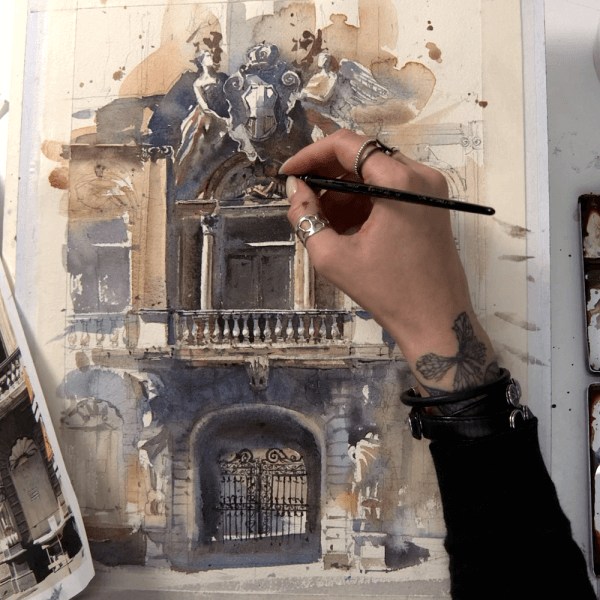
Watercolour painting lessons and free watercolor tutorials
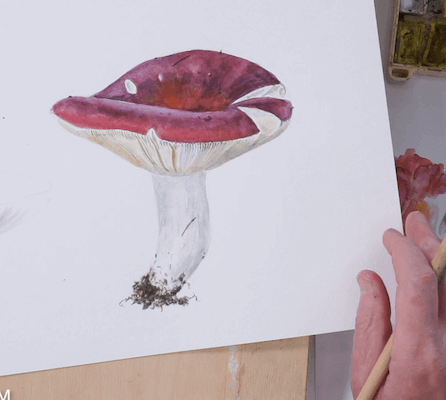
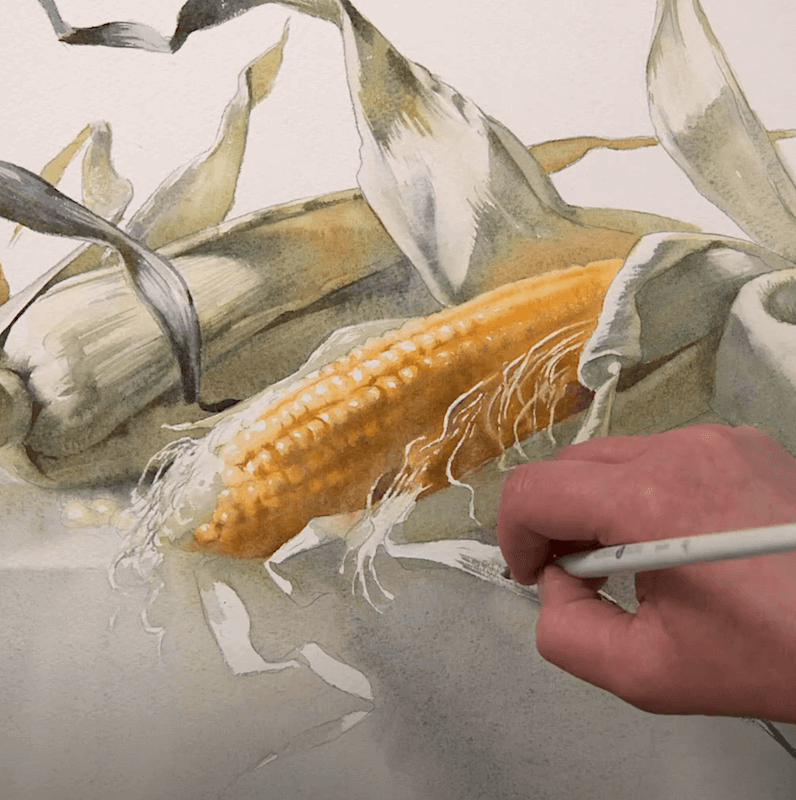
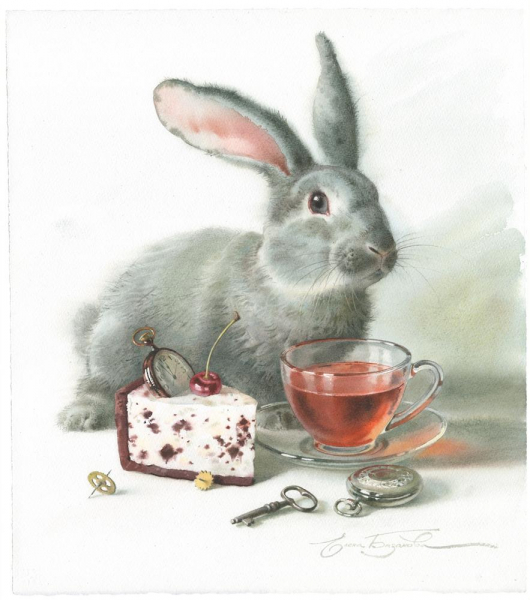
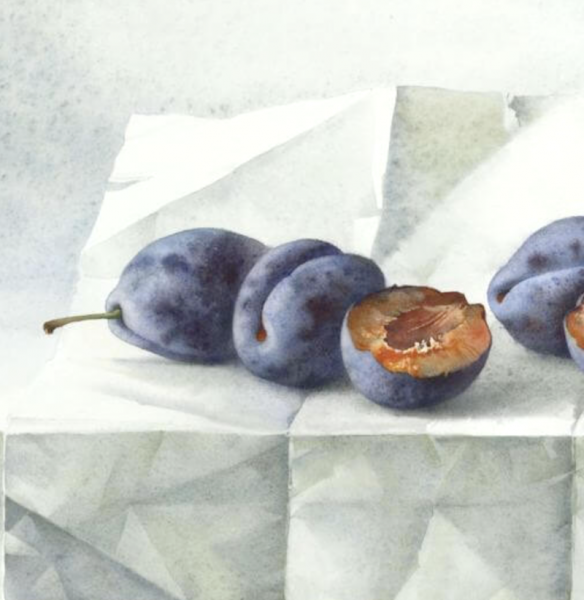
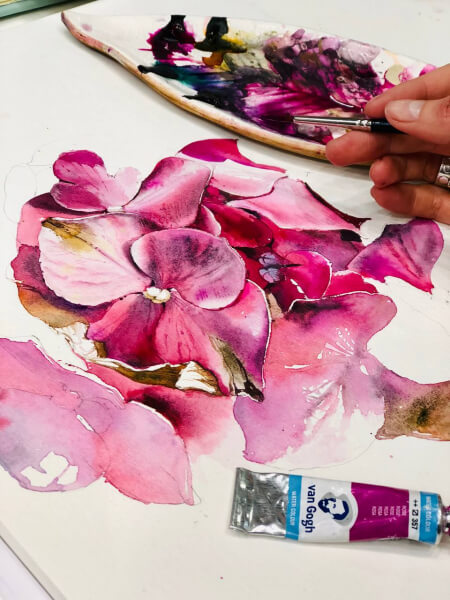
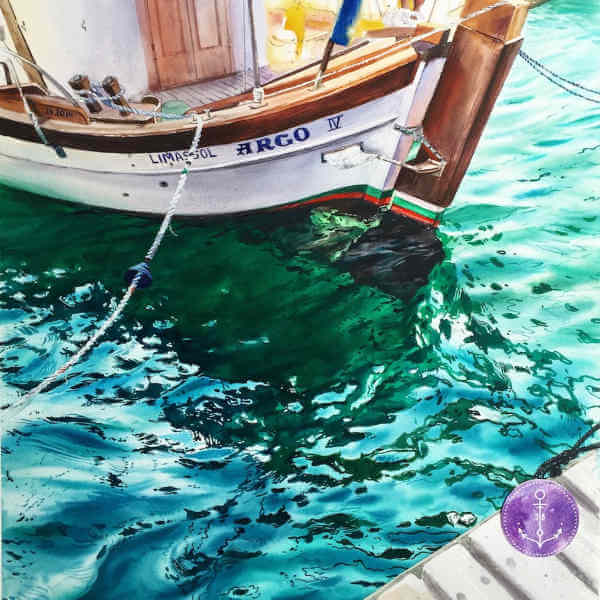
Watercolour courses include free watercolor tutorials for watercolor beginners, where you learn painting on quality watercolor paper, mix paint in a clean watercolor palette and avoid using too much water so your wash has saturated colour and flowing, transparent layers.
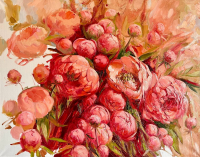
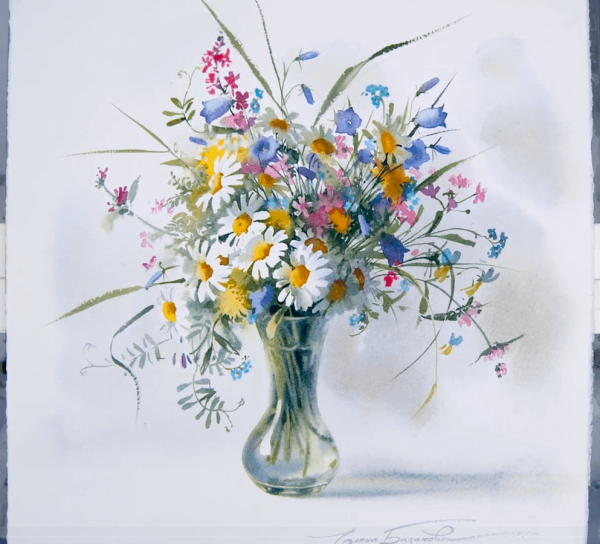
You will create texture watercolor effects, practice dry brush and wet dry transitions, study skies, clouds, beaches and simple landscape scenes, as well as flower painting, florals and botanical art with bright petals and rich green leaves.
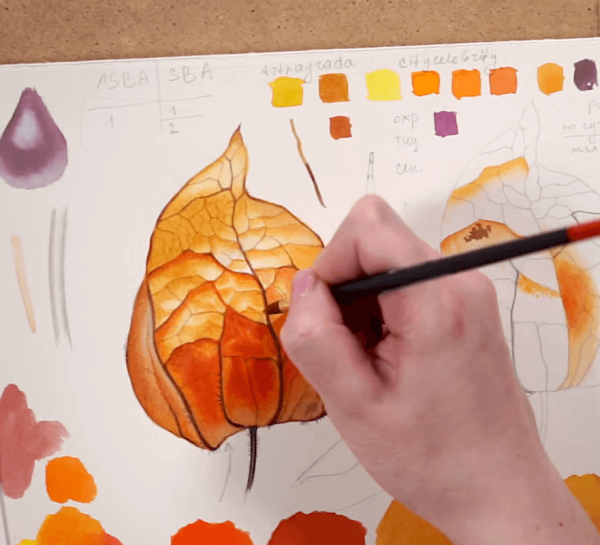
Step-by-step instruction explains how use basic shapes to build a scene, how to choose background color, how to add highlights in sunlight and shadows for depth, and how to use masking and splatters for expressive details.
Acrylic painting tutorial and oils acrylics courses
Acrylic painting tutorial modules show how mix paint correctly, apply paint in a thin layer or thick paint impasto, and how to use color in a way paint comes through with vibrant tones.
Using acrylics, you will learn brush techniques with a flat or round brush, palette knife texture techniques and glazing for smooth transitions that are very helpful for landscape painting and abstract compositions.
Oils acrylics programs explain about oil painting basics, including fat over lean rules, how mixable oil and linseed oil or safflower mediums affect drying, and how oil paint dries on cotton canvas or primed linen.
Subjects: landscapes, seascapes, still life and portrait
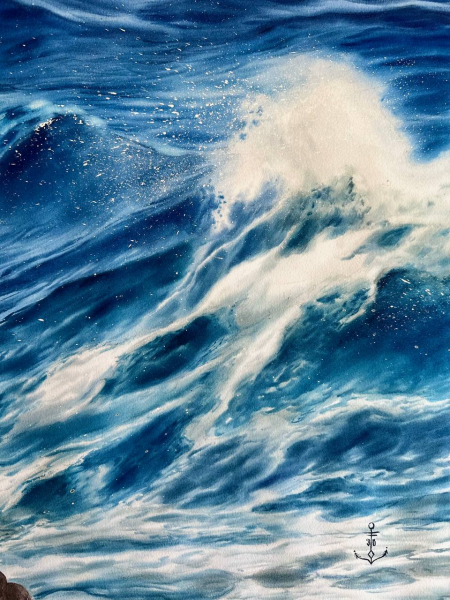
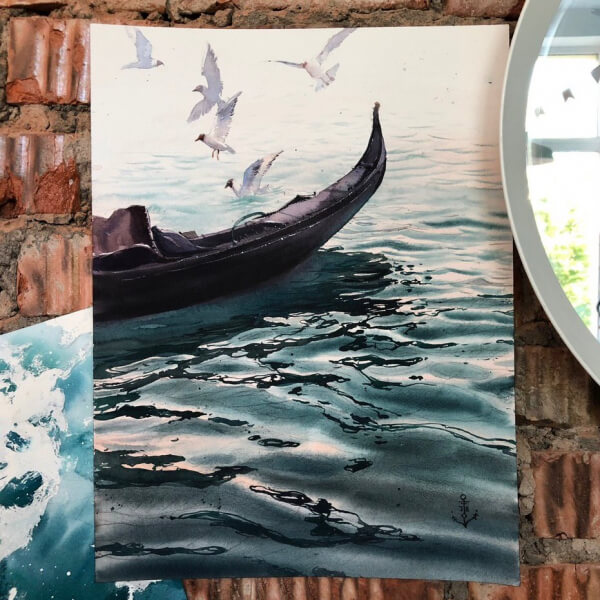
Landscape painting classes cover mountain scenes, winter forests, garden views, horizon lines and beaches with waves, rocks and reflections in water.
You will create stunning seascapes with ultramarine blue, cadmium yellow, burnt umber and other pigment mixes that are used combination to achieve natural skies and water tones.
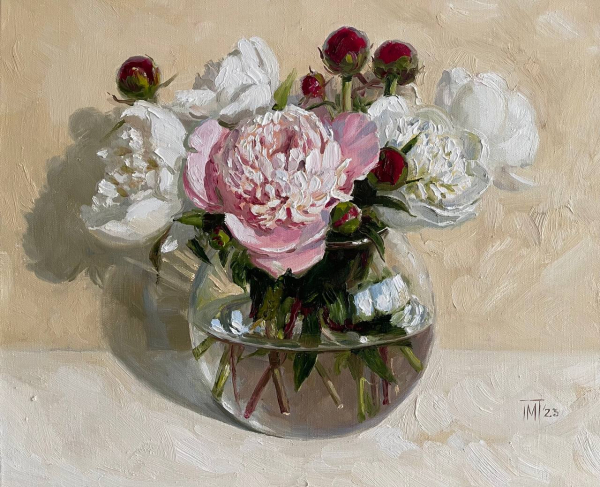
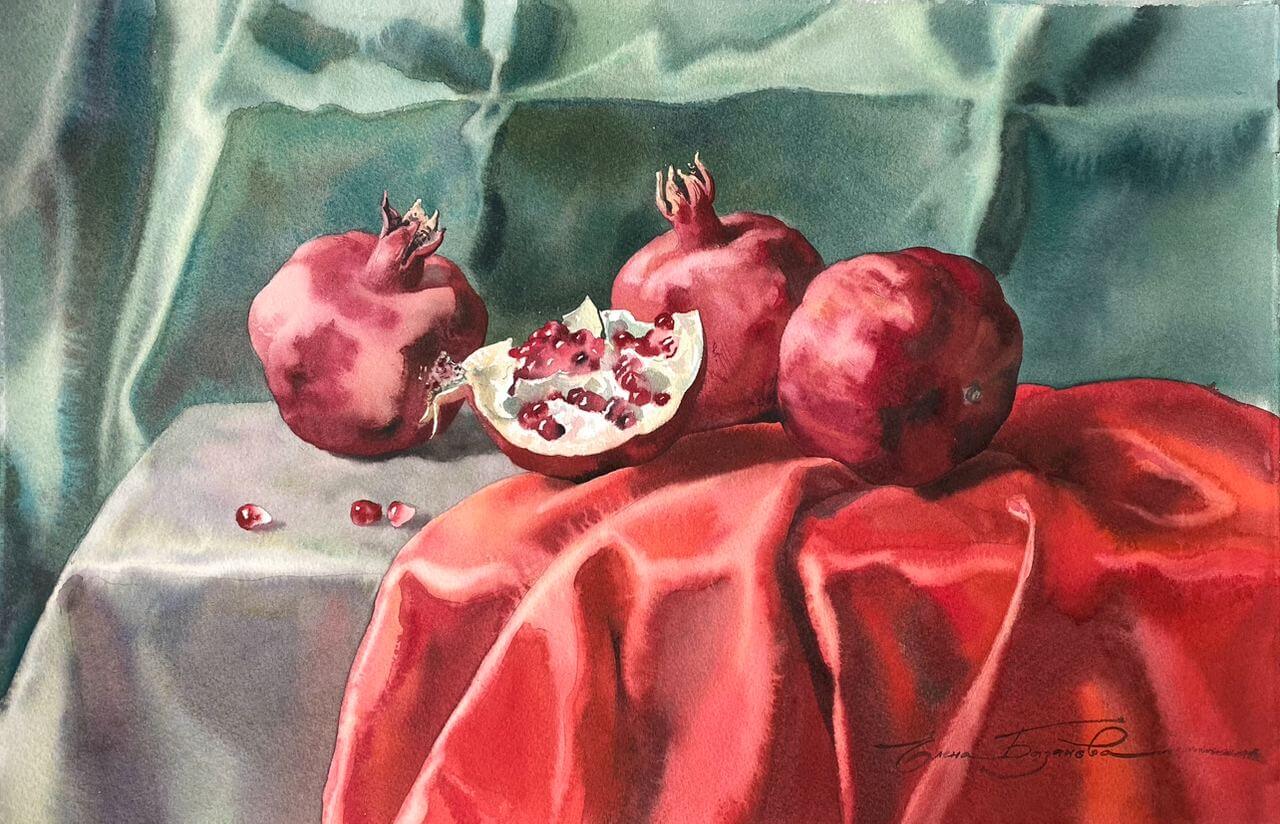
Still life lessons focus on setting still life objects such as an apple, flower, card or vintage piece on the table, blocking in basic shapes, then refining each stem, leaf and highlight in this step step walk through.
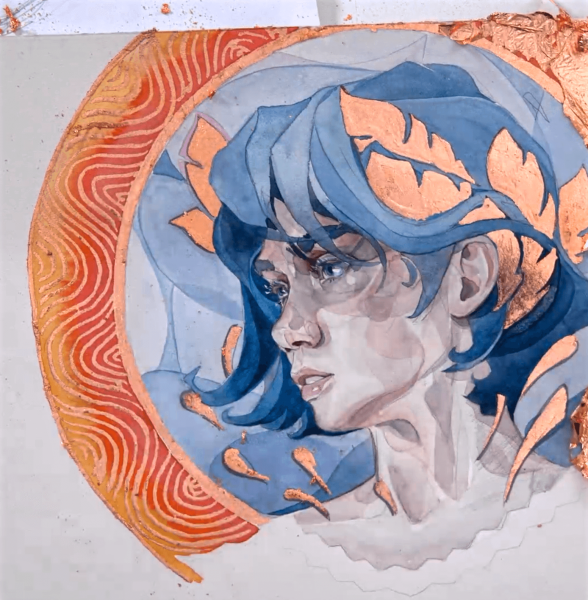
Portrait and figure painting courses teach proportions, drawing, grisaille underpainting, skin tones, soft pastels studies and finished painting in oils that capture character and realism.
Techniques and methods you will practice
- Alla prima and wet painting sessions, where you paint over underpainting in one most expressive sitting.
- Glazing, scumbling and over thin layers to build depth, contrast and subtle shadows.
- Impasto with knives and palette knife marks for bold texture and movement.
- Dry brush, wash and blend techniques that help you control edges and achieve both sharp and soft transitions.
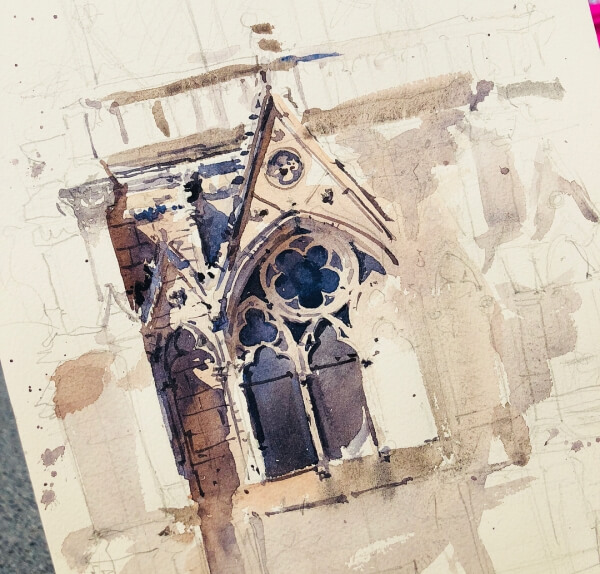
- Underpainting and blocking shapes to plan composition, then add more details and add some highlights later.
These techniques will help you understand the painting process from first time sketch to finished painting that looks professional and ready to be framed for gallery display or home decor.
Tools, materials and painting surfaces
Each course explains which would be the best paints want to buy, how much amount paint to prepare on the palette and how to clean your paint brush so the hair holds shape longer.
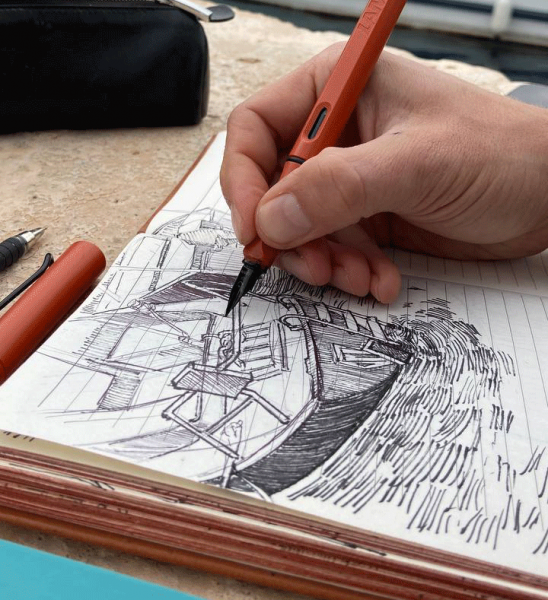
You will work onto canvas, stretched cotton canvas, linen, boards, panels and other painting surfaces, as well as sketch and plan on paper clean with pencil before you apply paint.
Courses cover watercolour, gouache, inks, soft pastels and oil pastels; you will see how pastels are used for quick studies and how using very soft pastels can create smooth gradients.
In oil painting lessons, artist oil painters explain how to set oils in a safe, non toxic studio condition, how to use thinner and cleaner, how to varnish a finished piece and how to store paintings so they are wrapped and protected.
Course structure and learning path
Each course includes video demo segments, downloadable templates and jpg references, plus projects that allow you to practice new skills.
Step-by-step instruction gives clear guidance: you get started with a simple introduction, then this painting guide moves through drawing, underpainting, paint layers and final details.
Along way, art teacher commentary will help you avoid common mistakes, make sure you understand key concepts and will work with you on feedback in comments or live sessions.
Whether you are self taught or coming from an art school background, you will have a structured path that supports your development from fundamentals to more advanced, expressive masterpieces.
Who these online painting classes are for
- Beginners who want learn basics, improve drawing, learn painting from scratch and feel less overwhelmed by materials.
- Intermediate students who have been started painting already and would like to refine brush strokes, blending and composition.
- Advanced and professional artists who need specialization in subjects such as florals, botanical art, portrait, still life or abstract design.
- Business minded creatives planning to use painting for illustration, animation, marketing, products or online art shop portfolios.
Everyone can find a course that used active practice to build skills, unlock individuality and encourage a personal style that is both unique and consistent.
Community, support and additional resources
After enrollment, you can join community discussions, ask questions, share progress and receive advice from art teacher and other members.
Additional resources may include books lists, materials supplies recommendations, downloadable templates, workshop replays and article style explanations of techniques.
You can explore related content in our blog, newsletters and workshops, and follow our presence on facebook, instagram, youtube or pinterest for extra tips, inspiration and behind-the-scenes stories.
For any account questions, materials issues or purchase support, please contact our team using your email address so we can reply quickly and provide clear information.
Practical tips before you get started
- Prepare a small set of quality paints in tube form, including titanium white, ultramarine blue, cadmium yellow, burnt umber and a warm red.
- Use a range of brush sizes, from a fine round brush for details to larger flat brushes for blocking areas in the foreground and background.
- Keep a towel nearby to control water and paint, and avoid too much water on watercolor paper to prevent buckling.
- Make sure your ground is primed, whether it is cotton canvas, linen or boards, so paint will adhere well.
- Plan the main composition with a light sketch, outline basic shapes, then build up tones and values gradually.
This helps you feel ready, enjoy the painting journey and achieve a result you are happy to show friends, family or clients.
Why choose these online painting courses
Courses are designed to be accessible, with clear instruction, step-by-step structure and modern teaching methods that allow you to study safely from home at your own pace.
You can start creating small studies, then paint more complex scenes, and over time your skills will improve, your style will become more confident and your finished works will have greater depth and realism.
Our goal is to provide excellent education, essential guidance and inspiring projects so that your creative career can grow and your artwork can reach a wider audience.
All rights reserved, copyright information and usage rules for course materials are described in the terms and privacy policy sections below.