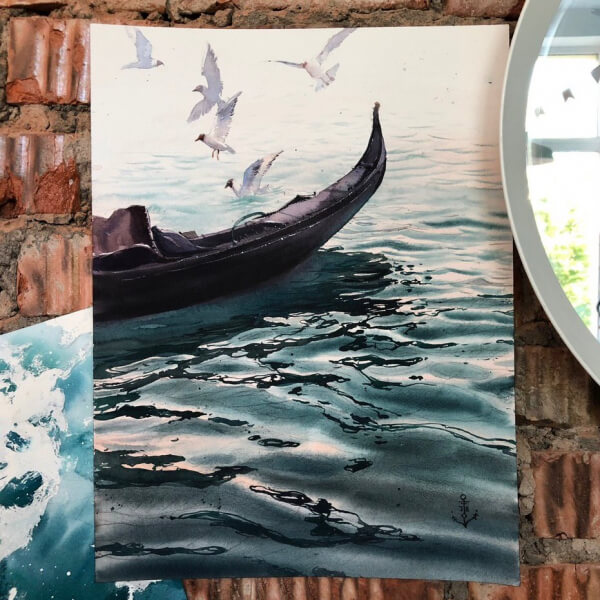
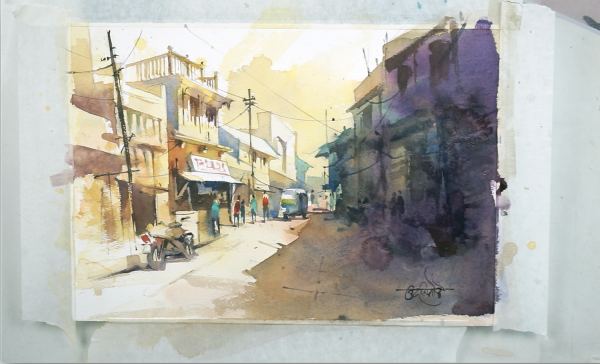
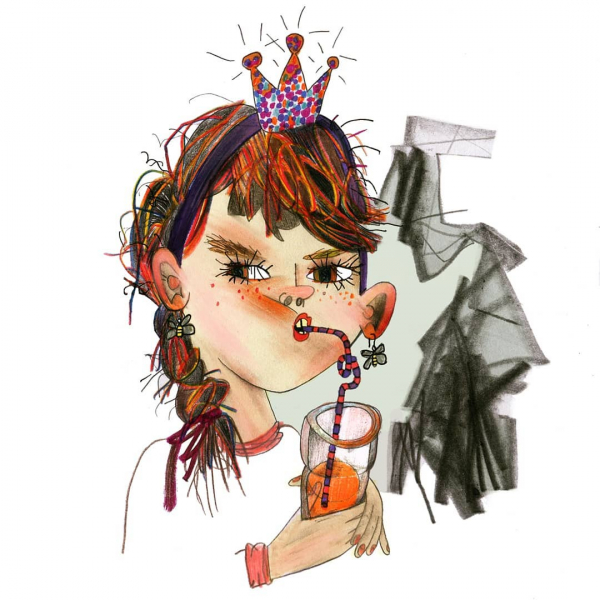
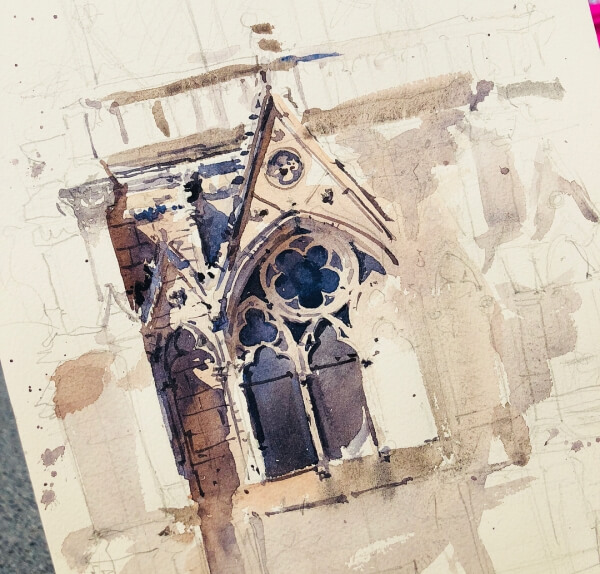
Online watercolor art lessons catalog
Use this page to browse a curated collection of online painting lessons, watercolor painting masterclasses and illustrationcourses presented by professional artist instructors for different levels, from beginning fundamentals to advancedprograms.
Here you can explore still life painting, landscape paintings, botanical art, sketching, mixed media projects and digitalillustration classes that can be completed at your own pace using watercolors, oil painting, acrylic painting tutorialformats and digital art tools.
Subjects, styles and creative focus
Courses cover a wide range of subject matter and styles that are highly relevant for building a strong visual foundationand personal portfolio.
- Nature, gardens and plants: flowers, florals, blossom, gardens, trees, plants, mountains, rivers and other scenes from nature that allow you to study light, shadow and composition.
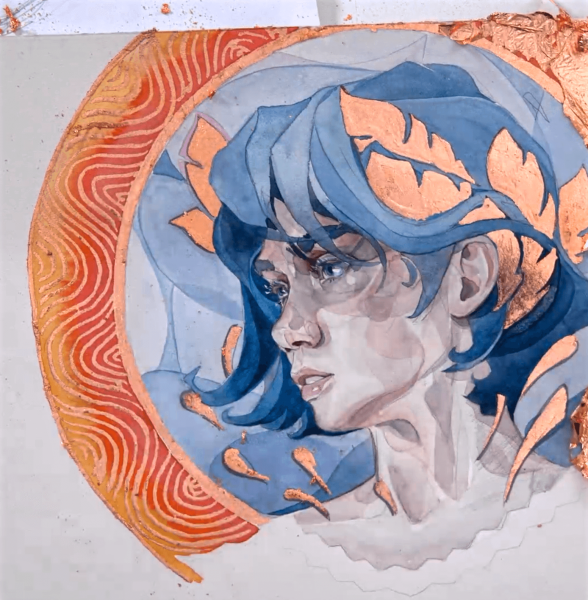
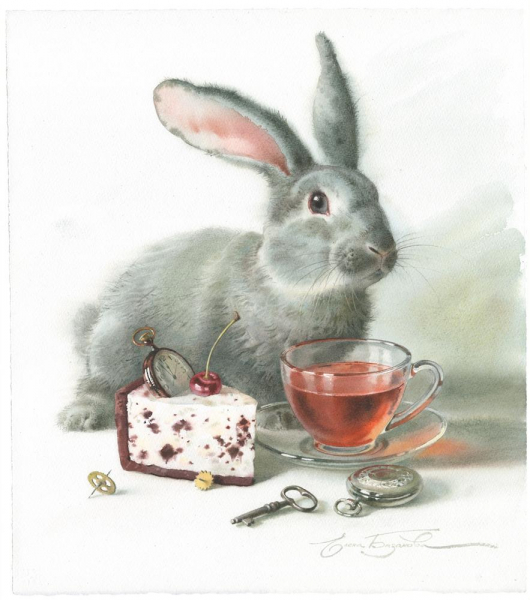
- Animals and character work: animals, birds and cute cats, as well as expressive face and character illustration that help you improve storytelling and drawing skills.
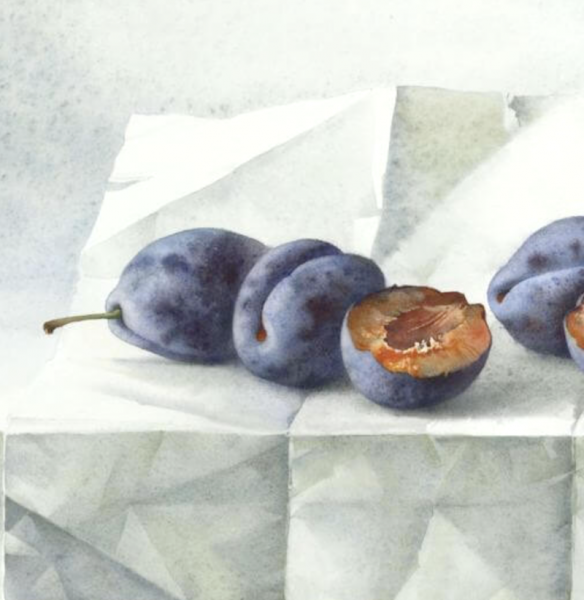
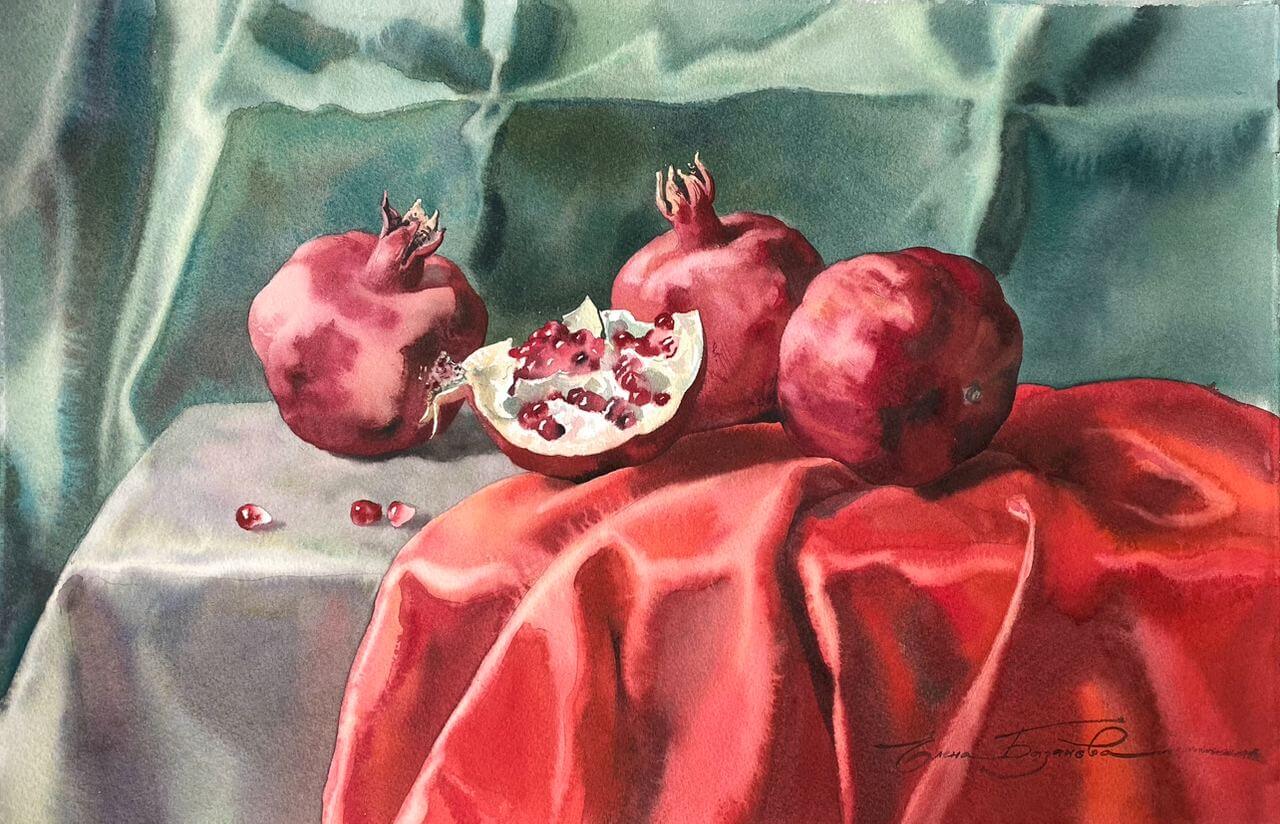
- Urban views and still life painting: city view scenes, shop interiors, home objects, long table setups and small still life pieces that train your eye for value, proportions and depth.
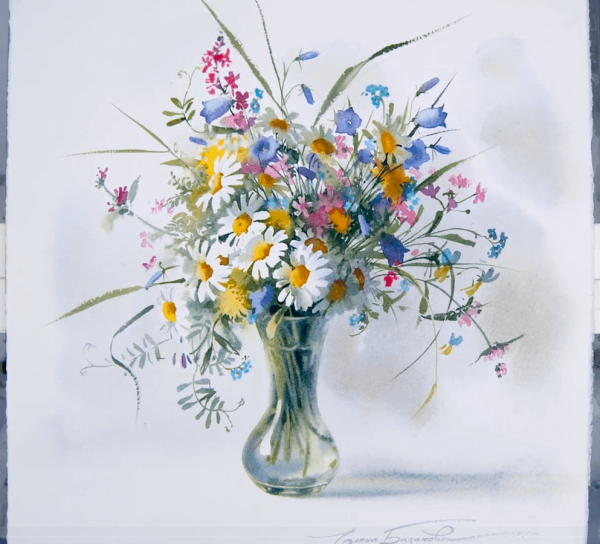
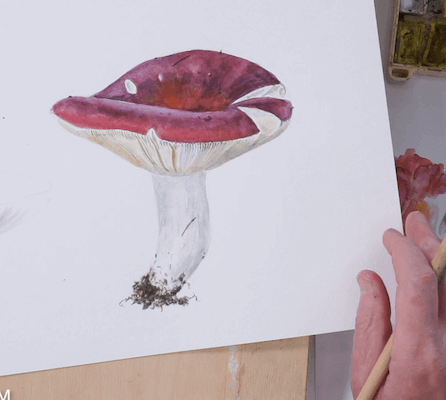
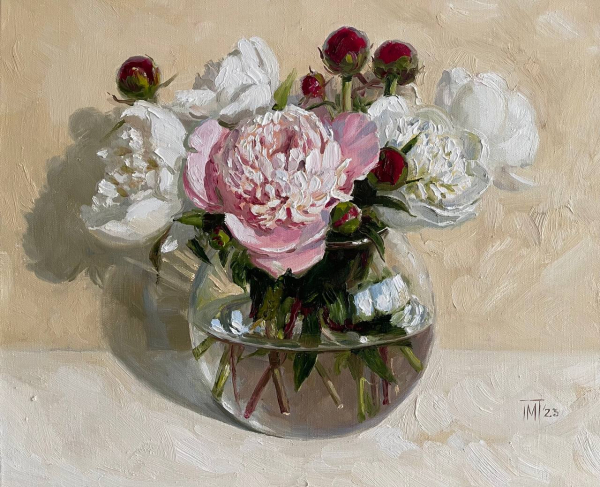
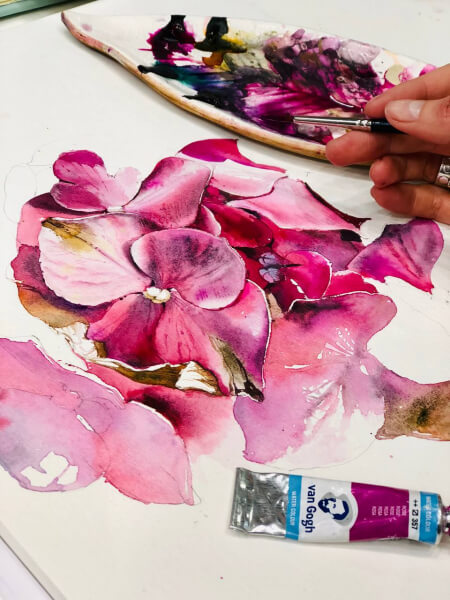
- Botanical art and florals: rose studies, spring and summer bouquets, vibrant florals and loose botanical art that showhow colour, texture and pigment work together.
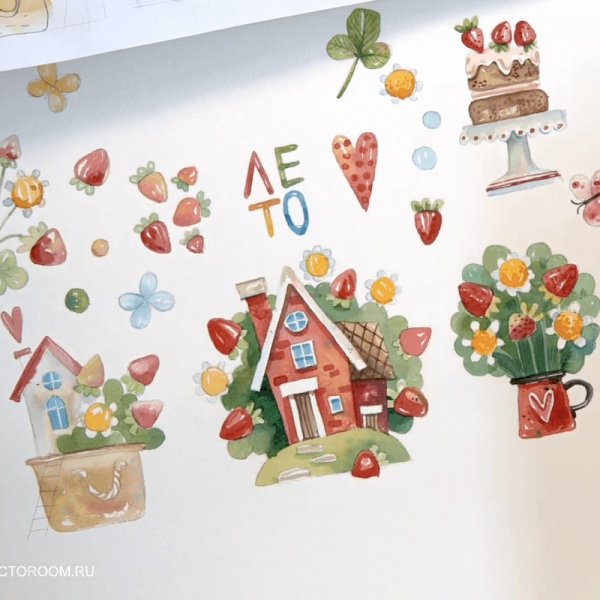
- Conceptual and design projects: projects related to graphic design, book illustration, lettering and computer graphics that connect fine art with practical design fields.
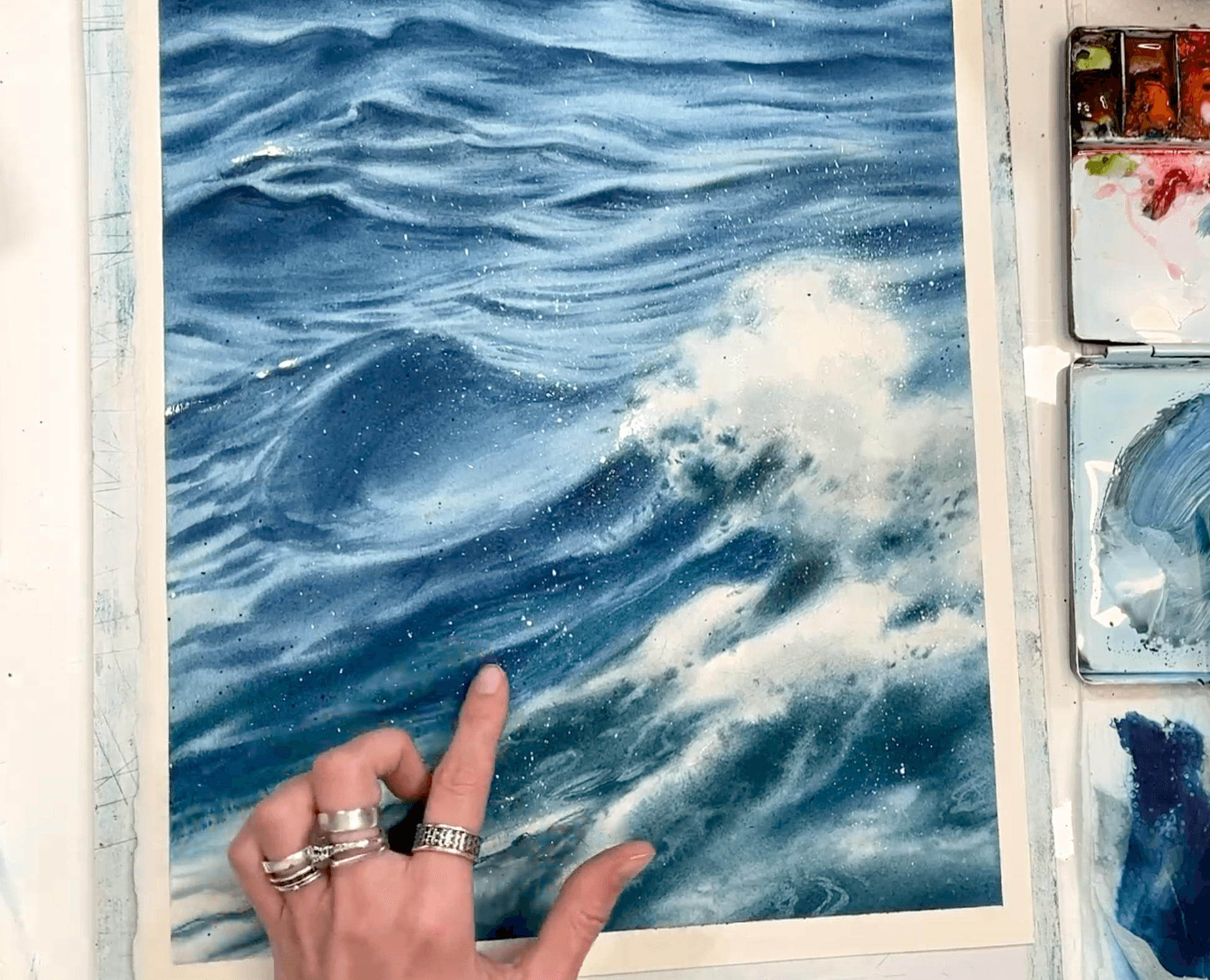
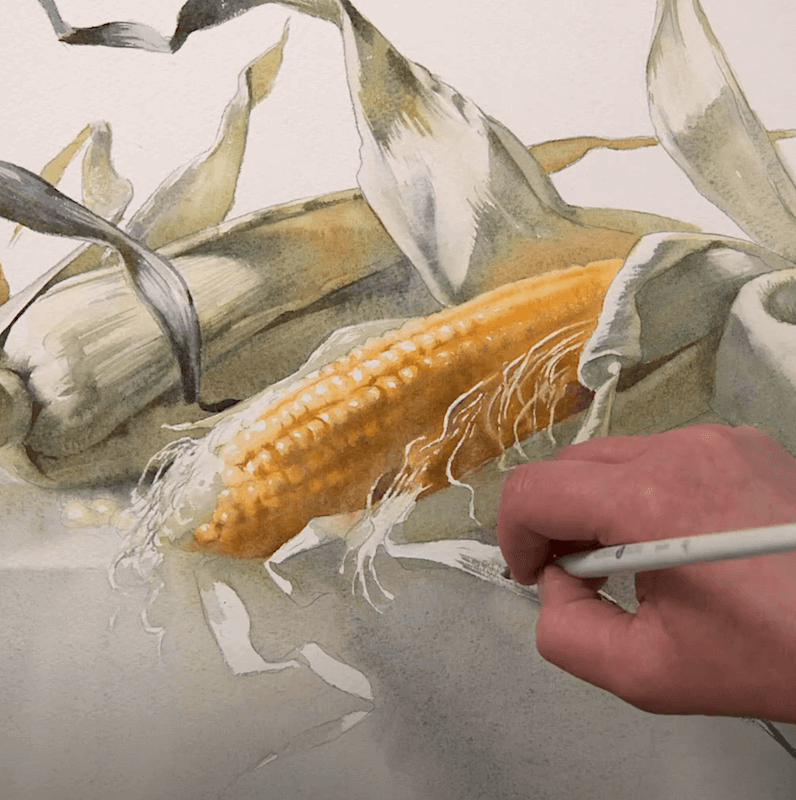
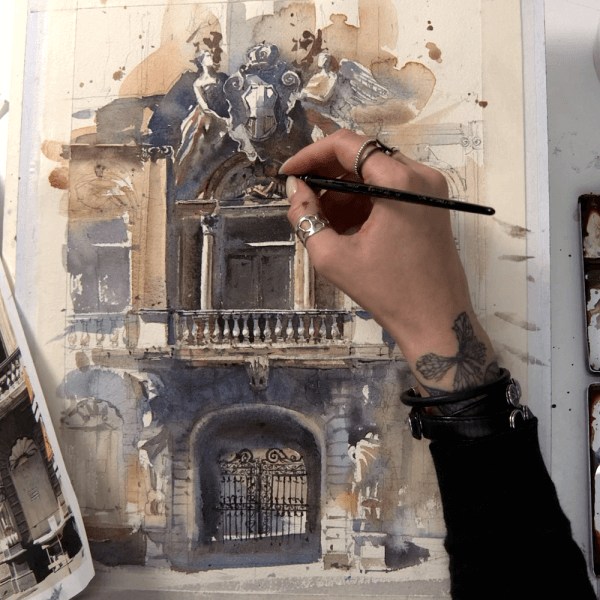
These classes include artwork demonstrations that show how painting could look from the first wash on white paper to the finished piece, with every step explained.
Mediums, tools and materials
Instructors explain what art supplies you need and how to use them effectively so that your results will look confident andprofessional.
- Using watercolors on absorbent cold press watercolor paper and smoother surfaces, including guidance on paper size, format and how wash behaves.
- Working with oil painting, acrylic painting tutorial projects and mixed media when combining different mediumtypes on canvas or in a sketchbook.
- Choosing brushes for different brush techniques, from large flat brushes for broad wash to small round brushes for defined lines and details.
- Building a balanced palette with burnt sienna, blue, green, orange, black, gray and other essential colours, includingmixing colors for subtle tones and value shifts.
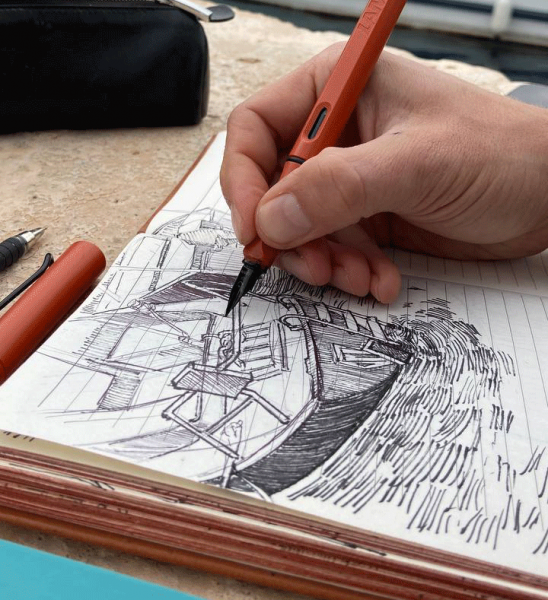
- Using pencil and pen for sketching, underdrawing and writing notes in your journal or sketchbook to support the painting process.
Teachers show how to apply paint wet on wet and paint wet on dry, when to keep areas wet wet for soft edges, when a surface is still wet, and when to switch to a dry brush for crisp lines and controlled texture.
You learn how to avoid using too much water, how to test ratio of water to pigment on a scrap of white paper, and how to fix edges with a cloth or clean brush before blooms spread too far.
Watercolor techniques and process
Each course breaks the process into clear stages that help students understand what happens on the paper and why certain choices give better results.
- Planning the base wash, building layers and tones, and keeping important areas light while darker accents bringdepth and definition.
- Learning how draw basic shapes, then refine proportions and composition before adding colour, texture andshading.
- Exploring this technique in both loose and more defined styles so you can decide which approach feels more natural.
- Studying wash types, from flat wash to graded wash, and how to blend colour transitions without overwhelming the surface.
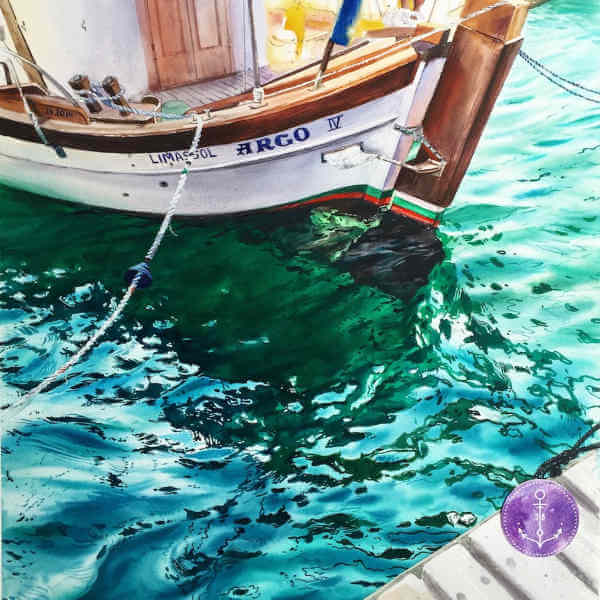
- Practicing dry brush, lifting, glazing and other painting techniques that add subtle reflection, shadow and magiclight effects.
Along way you will see how simple exercises in a sketchbook can use small studies to build confidence for larger artworkprojects on full size sheets or canvas.
Formats, levels and programs
Classes are structured for different levels, and each program is designed so that student progress is clear and measurable.
| Level |
Focus |
Typical subjects |
| Fundamentals / tutorialbeginners |
Basic shapes, proportions, composition, wash control, simple colour mixing. |
Easy watercolor projects, small still life, simple trees, flowers and basic landscape paintings. |
| Intermediateclasses |
Stronger value structure, depth, storytelling and drawing skills. |
Nature scenes, animals, florals, urban sketching, characterillustration and digital illustration basics. |
| Advancedprograms |
Complex compositions, mixed media, portfolio building and exhibitionplanning. |
Large landscape paintings, conceptual projects, professionalillustration courses and advanced mixed media artwork. |
Weekly and monthly programs, including special july and november sessions, offer structured study paths that can includelive meetings, feedback and community support.
Learning experience and teaching approach
Every course is presented by a professional teacher or instructor who explains concepts in a clear, practical manner anddemonstrates each step on camera.
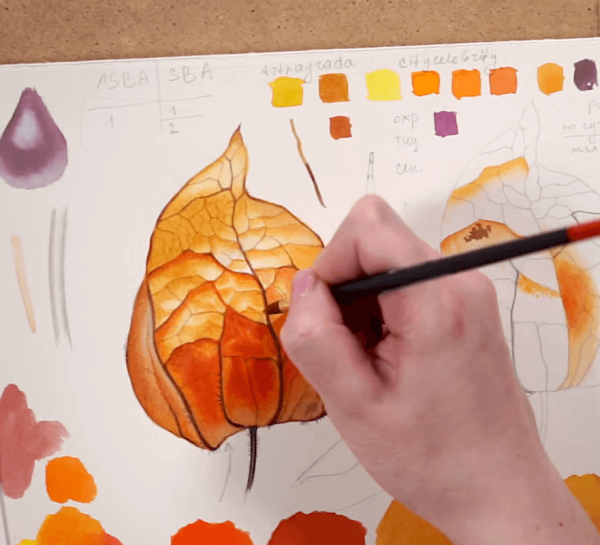
- High quality video lessons with close-up view of the paper so you can watch brush techniques, lines and colourflow in real time.
- Step step guides, reference image files and notes that are available as downloadable resources for your ownpractice.
- Exercises that encourage you to get better quickly by repeating essential fundamentals and gradually adding more advanced concepts.
- Projects that help you complete finished artwork, build a portfolio and remember key ideas through doing, not onlywatching.
- Options for membership access, regular updates, newsletter subscription and community feedback to supportcontinuous personal development.
Instructors share tips on how to plan your journey, what sketching habits help most, and how practice, even in small daily sessions, leads to visible improvement over the years.
Who these classes are for
These painting lessons are designed for a wide range of people and creative goals.
- Beginners of all ages, including children's art enthusiasts and students from art schools, who want to learn draw andlearn how paint from the beginning.
- Intermediate painters who already have painted a few pieces and now wish to improve composition, value, shadingand storytelling.
- Advanced painters and professional illustrators who need structured programs for portfolio building, exhibitionsand long term creative planning.
- People working in design, graphic design and related fields who want to add hand-drawn illustration, watercolour or mixed media to their work.
- Anyone who sees painting as personal development, a form of relaxed creative practice and a way to keepmemories of places, friends and travels.
Whether you study for fun, for self expression or for professional reasons, there are classes, workshops and programs that offer the right balance between challenge and support.
How to choose the right course
Use the filters and price ranges on this page to find courses that match your current level, interests and budget.
- Start from lower price options if you want to test a free watercolor lesson or easy watercolor project beforeinvesting in a full program.
- Read more about each course, check out the description and watch preview video segments to see if the style andpace fit you.
- Make sure the subject, medium and level align with your goals, whether you focus on florals, landscapes, animals, still life or digital illustration.
- Look at the list of topics the teacher covers, including mixing colors, wash control, texture, proportions andcomposition.
- Consider available access options, such as lifetime access, membership, weekly updates or limited-time programs.
Each course page will look slightly different, but all of them include clear information about content, duration, requiredmaterials and expected results, so you can choose with confidence.
Practical tips from the instructors
Many lessons include practical tips that help you avoid common mistakes while using watercolors and other media.
- How to control flow of pigment on absorbent cold press watercolor paper and avoid blooms caused by too muchwater.
- How to keep important areas light, build darker accents in the right places and maintain clear edges where needed.
- How to blend colours without muddying them and how to use layer after layer to create depth, texture and vibranttones.
- How to paint this or that subject step step, from loose underpainting to defined details, so the final image looks likea complete, balanced piece.
- How to sign and date your artwork, photograph it for your portfolio and store it safely for exhibitions or future reference.
These details may seem small, but they are essential for professional quality and for building a body of work that you arehappy to share.
Community, support and communication
Many programs encourage communication between student, teacher and community so that learning becomes a sharedexperience.
- Comments sections under lessons where you can ask questions, share your results and receive support from instructors and other students.
- Opportunities to join closed groups or community spaces, where regular challenges, exercises and projects keepyou motivated.
- Options to subscribe to a newsletter to receive information about new classes, blog posts, exhibitions and special programs.
- Guidance on how to keep a journal or sketchbook, write notes about what you learn and continue practicingbetween classes.
- Encouragement to build your own creative path, combining different courses, media and subjects over time.
If you prefer direct contact, course pages usually provide an email address or contact form so you can send questions about current classes, access, account details or technical issues.
Legal information and policies
All courses, videos and resources are protected by copyright, and rights are reserved by the company and individual artists.
Before you join any program, please review Terms of use and Privacy policy carefully so you understand how your data is processed, how access works and what usage of course materials is allowed.
Comments you submit through the site are moderated; offensive content will not be published, and your email addresswill be kept private in accordance with the privacy policy.